Social Media vs. Reality

The result would be interesting. And that may be putting it mildly. It is not hard imagine the baby boomer ranting about how today’s youngest generations don’t know how to look up from their phones. Meanwhile, the millennials might be rolling their eyes while scrolling through their app du jour.
While the descriptions above are certainly generalizations, there are differing perspectives among the generations. The conversation has the potential to break down faster than a trending hashtag becoming yesterday’s news.
When it comes to the social media vs. reality conversation, it’s all about perspective.
Boomers lived most of their lives before the internet and social media ever existed. ‘Social’ meant going outside to play with friends. Toys were a luxury, so spending the day making up games was normal. They brag about playing outside all day when they were kids, and it’s their badge of honor to tell stories of how their parents had no idea where they were until it was dark.
But for kids today, they’ve never known life before the internet, life before Facebook and Twitter, or life before these snappy chatter apps. The generation growing up now has never known social life without screens.
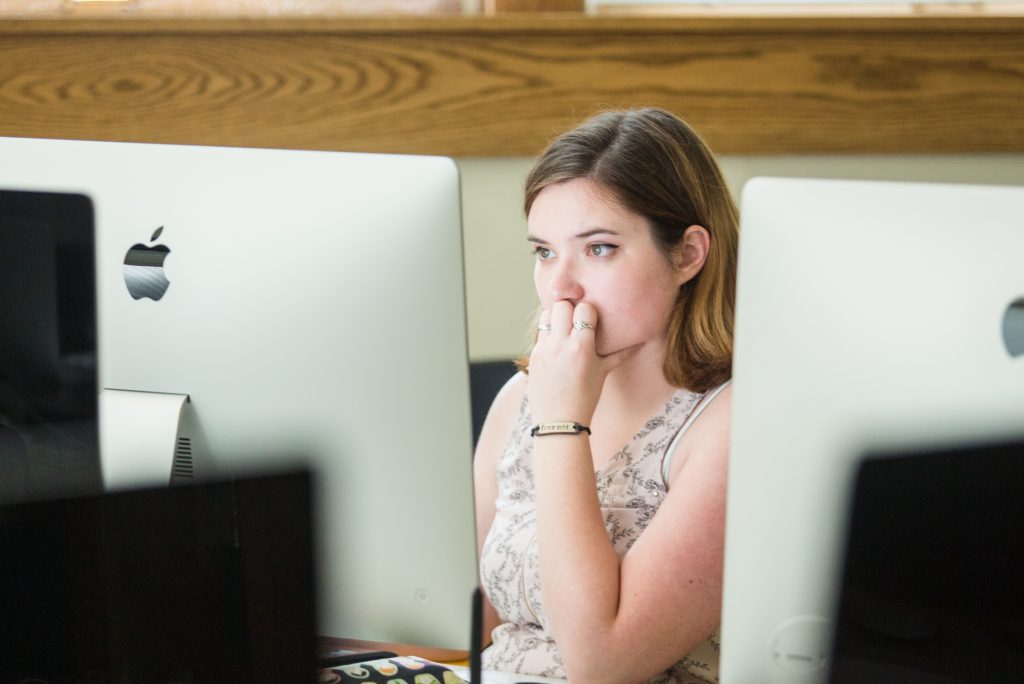
Social Media vs. Reality: Which is Better?
Let’s get this argument about which is better — a pre-social media or a post-social media society — out of the way and admit we can’t answer this question.
Yes, it was better for our eyes when we weren’t spending so much time in front of screens. But technology has also brought us a level of productivity and education never before realized in the history of the world. (And we all have quick access to that history now, thanks to Google!)
At the very least, it has allowed for a larger (and quicker) distribution of information. We cannot say we are not informed. The information coming at us may be about some celebrity activity, or it might be the most recent natural disaster.1 The reality is, because of the expedient nature of social media, we can respond in real-time to things happening around the world.
In addition, with three billion people using social media2, the influence one person can attain has never been bigger. One immediate benefit is the unlimited potential scope of our influence — our reach is exponentially larger now. Plus, social media enables us to keep in touch with and make friends all over the world!
Like everything else in life, social media has its downsides as well. For example, do we trust the sources giving us the information? Is there potential to become addicted to ever-increasing screen time? And perhaps the reason why you’re reading this blog — does social media alter one’s understanding of reality?
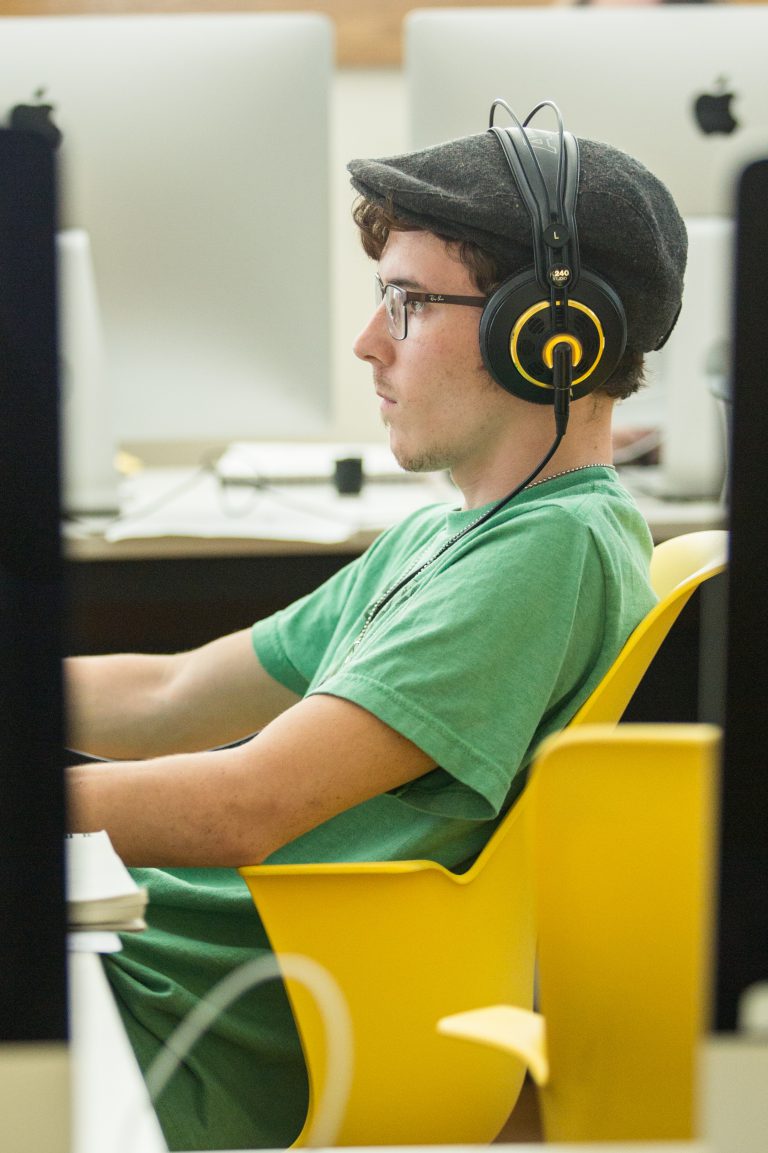
Social Media Perception vs. Reality
For anyone that has spent any amount of time scrolling through social media, it is no secret that it can foster a sense of discontentment, insecurity, or even depression. When we see others accomplishing more than us, it can breed low self-esteem or even a lack of self-worth.We have an opportunity to rejoice in the good happening among our friends and peers, but if we stack their glossy world on social media vs. reality as we know it, discouragement can follow. In fact, one study found 6.7% of Americans over the age of 18 suffer from depression.3
The real challenge comes when we become envious of everything our friends appear to be doing. We compare their online world with our offline world and we often feel we don’t measure up. Of course, we forget that we ourselves will only post the bright spots of our day, so we find ourselves comparing the best of our friend’s lives to the worst of our own. No wonder the majority of Facebook users tend to have lower self-esteem.4 We need to be reminded that our friends are likely comparing their struggles to our bright spots as well.


Comments
Post a Comment